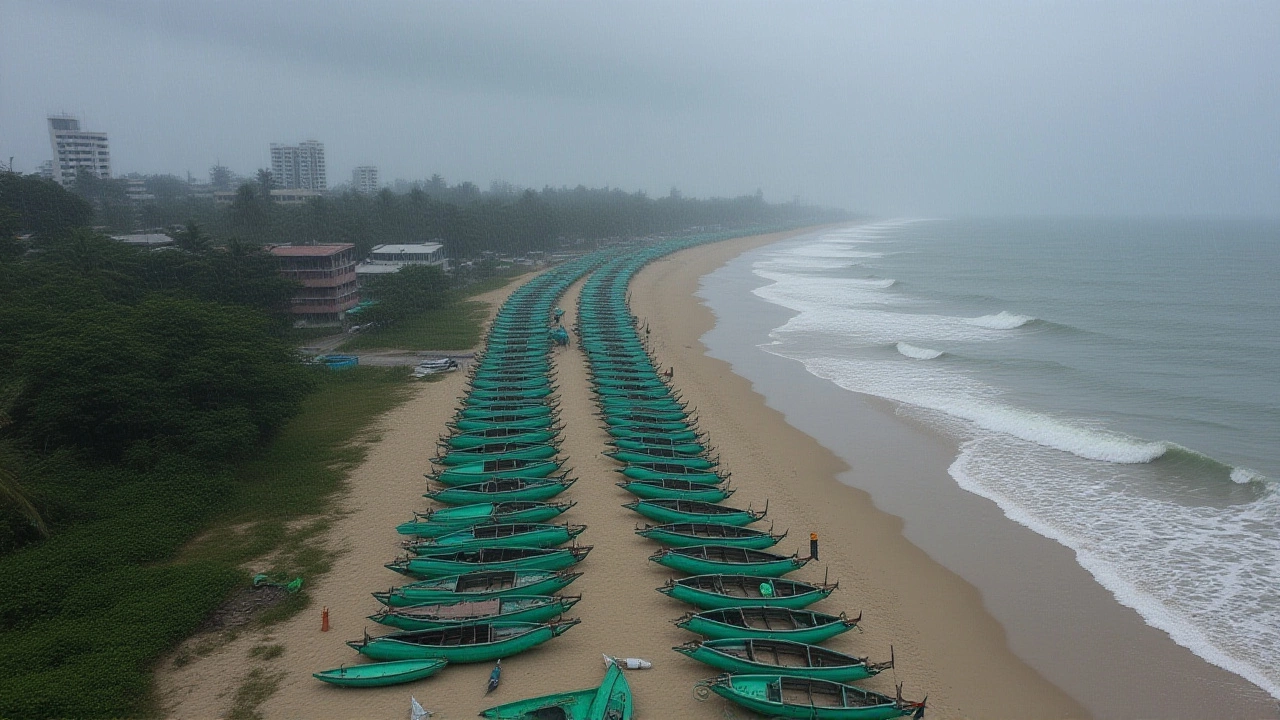
Seven family members were buried under mud in Tiruvannamalai after a landslide triggered by Cyclone Fengal’s relentless rains, as South India reeled from one of the most disruptive weather events of the year. The cyclone, which made landfall between Karaikal and Mahabalipuram at 7:30 p.m. on November 30, 2024, had already weakened by then—but its remnants kept dumping rain like a broken faucet for days. What started as a deep depression over the Southwest Bay of Bengal on November 28 intensified into a full-blown cyclone at 2:30 p.m. on November 29, according to the India Meteorological Department (IMD). Even after downgrading to a depression, it refused to let go.
When the Sky Didn’t Stop Raining
By December 1, the ground in Tiruvannamalai had turned to soup. Hillsides cracked, then collapsed. One family—parents, three children, and two elderly relatives—was caught in the slide near Uthangiri. Rescuers dug for hours with bare hands, flashlights, and shovels, pulling out survivors one by one. Three were alive, barely. The others… they didn’t make it. The local hospital, already overwhelmed, ran out of oxygen tanks. No one had expected this. The IMD had issued a yellow alert for 10 districts, but the orange alert for Ernakulam, Idukki, Thrissur, and Palakkad in Kerala? That was the real warning sign. People ignored it. Again.
Schools Closed, Streets Turned to Rivers
By December 2, nearly every school and college in Tamil Nadu had shut down. Not because of fear—but because the roads were underwater. At Uthangiri bus station, eyewitnesses filmed buses floating like toys in fast-moving currents. One man, holding his toddler above the water, told reporters: "I thought I was watching a movie. Then I realized—it’s real. And we’re still here." The Indian Army was called in. In Puducherry, soldiers waded through chest-deep water, rescuing 200 people and moving 1,000 more to relief camps. They carried food, blankets, and bottled water on their backs. No helicopters. No drones. Just boots, grit, and a lot of silence.
Why This Was Worse Than Expected
Here’s the thing: Cyclone Fengal wasn’t the strongest storm on record. Wind speeds peaked at 90 km/h—less than a Category 1 hurricane. But it hit at the wrong time. The soil was already saturated from weeks of pre-monsoon showers. Trees, weakened by urban pruning and illegal logging, couldn’t hold the hills together. And the drainage systems? Designed for 20-year rainfall events. This was a 100-year downpour.
Skymet Weather Services confirmed the system lingered as a "well-marked low-pressure area" over northern Tamil Nadu for 72 hours after landfall. That’s unusual. Most cyclones die within 24 hours. This one didn’t. It just kept pushing rain westward—into Kerala, Karnataka, even Telangana and Andhra Pradesh. The National Disaster Response Force (NDRF) was on standby everywhere, but they were stretched thin. No one had the manpower to cover six states at once.
What Happens Next
The IMD predicted the remnant system would drift toward the north Kerala coast and the southeastern Arabian Sea by December 3. But that’s not the real question. The real question is: Why does this keep happening?
Look at the numbers. In 2023, Tamil Nadu saw 14 extreme rainfall events. In 2024? Already 18 by November. And this isn’t climate change in the abstract. It’s a child drowning in a flooded street. It’s a mother clutching a child’s shoe pulled from the mud. It’s a government that declares a "state of emergency" but never fixes the drains.
Experts say the Bay of Bengal is warming faster than almost any other ocean region. Warmer water means more moisture in the air. More moisture means heavier rain. And when you’ve paved over wetlands, cleared forests, and built homes on floodplains? You’re not just inviting disaster. You’re engineering it.
Relief and Reckoning
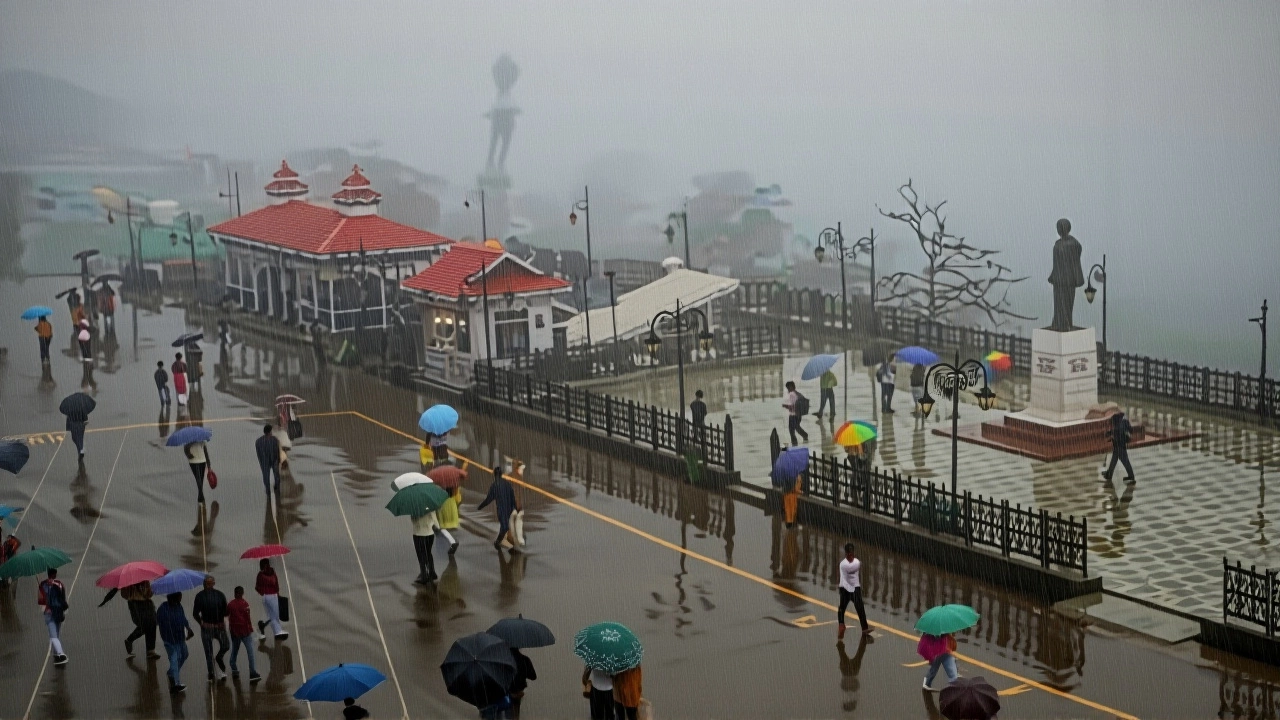
Relief camps are now housing over 5,000 people across Tamil Nadu and Puducherry. The state government says it’s distributing 1.2 million liters of drinking water daily. But the food supply? Patchy. Medicine? Scarce. And the power? Still out in 17 villages.
Meanwhile, the India Meteorological Department (IMD) is under pressure to upgrade its warning system. Right now, they use color codes—yellow, orange, red. But people don’t understand what "orange" means. They need clear instructions: "Evacuate now. Do not wait." The Indian Army’s actions were heroic. But they shouldn’t have to be the first responders to every storm. That’s the job of local administrations. And right now, they’re failing.
Frequently Asked Questions
How many people were affected by Cyclone Fengal across South India?
Over 5,000 people were relocated to relief camps in Tamil Nadu and Puducherry alone, with additional thousands affected in Kerala, Karnataka, and Andhra Pradesh. At least seven died in the Tiruvannamalai landslide, and dozens more were injured. The full death toll remains unconfirmed as search operations continue in remote areas.
Why did the landslides happen in Tiruvannamalai specifically?
Tiruvannamalai sits on hilly terrain with loose laterite soil, already weakened by deforestation and unregulated construction. Combined with over 300 mm of rainfall in 48 hours—far exceeding the area’s drainage capacity—the ground simply gave way. Similar landslides occurred in nearby Villupuram and Kallakurichi, but none were as deadly.
What role did the India Meteorological Department play in the response?
The IMD issued timely alerts, including an orange alert for four Kerala districts and a yellow alert for 10 Tamil Nadu districts. But critics argue their warnings lacked urgency and specificity. No public evacuation orders were issued for Tiruvannamalai before the landslide, despite the system lingering for days. The department has since pledged to improve communication with district authorities.
Were flights and trains disrupted?
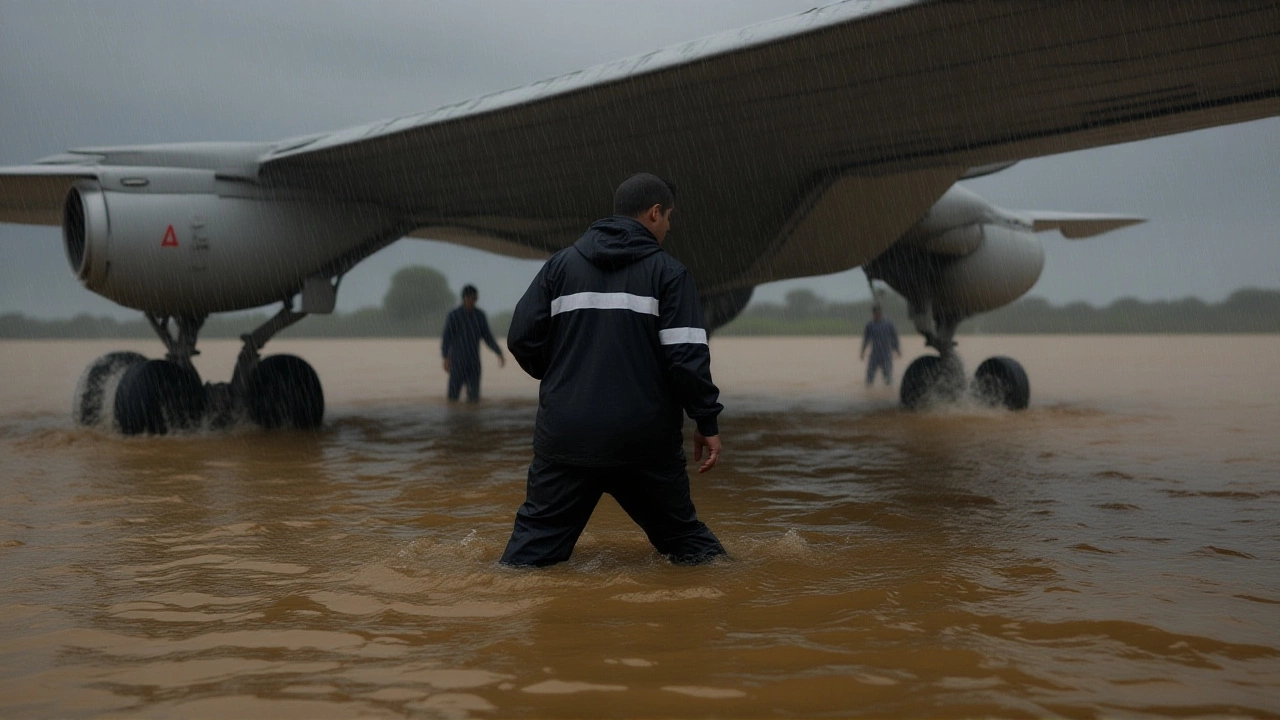
Yes. Over 120 flights were canceled at Chennai, Coimbatore, and Trivandrum airports between November 30 and December 2. Southern Railway suspended 48 train services, including key routes between Chennai and Madurai. Many passengers were stranded for over 24 hours. Official records show no cancellations at smaller stations, but local reports contradict this, suggesting widespread disruption.
Is this part of a larger weather pattern in South India?
Absolutely. Since 2020, South India has seen a 40% increase in extreme rainfall events. Studies by the Indian Institute of Science show the Bay of Bengal’s surface temperature has risen by 1.2°C over the last decade—enough to fuel more intense cyclones. Cyclone Fengal isn’t an anomaly. It’s the new normal.
What’s being done to prevent future tragedies?
The Tamil Nadu government announced a review of hillside construction permits and pledged to restore 500 hectares of watershed forests by 2026. But no timeline exists for upgrading drainage infrastructure in cities like Chennai or Salem. Meanwhile, the NDRF is training local volunteers in landslide response—though funding remains limited. Without systemic investment, the next storm will find the same weak spots.