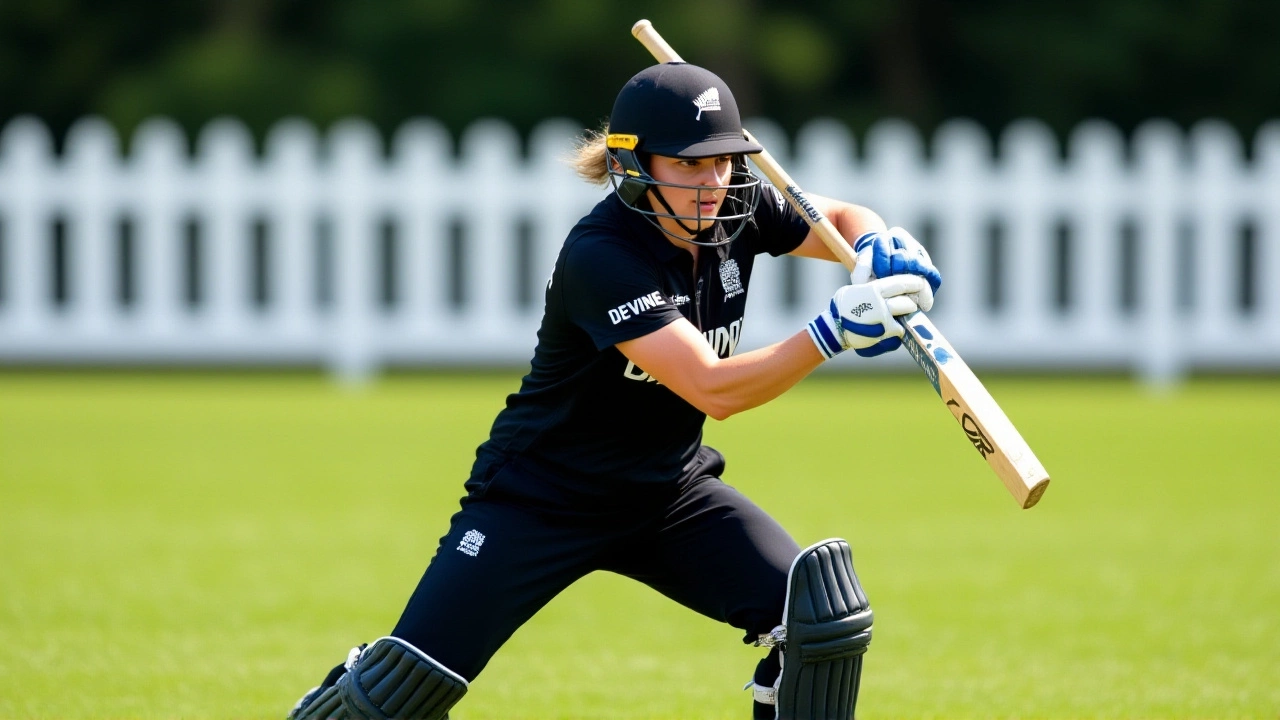
India Women pulled off a tense, weather-affected victory over New Zealand Women by 4 wickets using the DLS method in a gripping warm-up match at the BCCI Centre of Excellence Ground in Bengaluru on Saturday, September 27, 2025. Chasing 237 runs in a reduced 40.2 overs, the Indian side held their nerve under pressure, setting the tone for their ICC Women's World Cup 2025India campaign. The win, though not decisive in isolation, offered a psychological boost to a team that would later face a make-or-break run in the main tournament.
Chasing under pressure
After New Zealand Women posted 236/7 in their 50 overs, India’s chase was never straightforward. Rain interrupted play in the 38th over, triggering the Duckworth-Lewis-Stern calculation that adjusted the target to 237 from 40.2 overs. The pressure mounted as openers Harmanpreet Kaur and Harleen Deol fell cheaply — both scoring 0 off just 2 and 5 balls respectively. The innings teetered, but Deepti Sharma and Amanjot Kaur steadied the ship with a gritty 87-run partnership for the fourth wicket. Sharma, though not flashy, anchored the chase with 42 off 68 balls, while Amanjot Kaur’s unbeaten 53 off 71 provided the final flourish. Pratika Rawal chipped in with a crucial 12, and the last wicket pair saw India home with 10 balls to spare.
How New Zealand’s bowlers struggled
New Zealand’s attack, led by veteran all-rounder Sophie Devine, looked sharp early but lost rhythm as the innings progressed. Amelia Kerr bowled 9 overs for just 41 runs, an economy rate of 4.6 — impressive on paper, but she failed to break through. Jess Kerr, often a match-winner, was unusually quiet, managing just 1 wicket in 7 overs. Lea Tahuhu and Eden Carson bowled tight lines but couldn’t exploit the wet conditions. The real surprise? Sophie Devine’s decision to bowl herself in the 21st over didn’t yield results — her two overs went for 13 runs and didn’t break any partnerships. The Kiwis, who had looked dominant in the first 15 overs, couldn’t close the deal when it mattered most.
Why this warm-up matters
Warm-up matches are often dismissed as glorified practice, but this one carried real weight. India’s batting lineup had been under scrutiny after poor performances in the preceding tour matches. The fact that they chased down a challenging target — under pressure, with two top-order failures — sent a clear message: they’ve found their rhythm. For New Zealand, the loss exposed a troubling trend: their top order can score, but their middle and lower order lack depth. With both teams set to meet again on October 23, 2025, at the D.Y. Patil Stadium in Navi Mumbai, this match wasn’t just a warm-up — it was a dress rehearsal for a knockout-level contest.

The bigger picture: World Cup schedule and stakes
The ICC Women's World Cup 2025India kicks off on October 1 in Indore, with Australia facing New Zealand in the opener. India’s first group match comes on October 5 against Pakistan in Colombo. But the real test arrives on October 23 — the rematch against New Zealand in Navi Mumbai. That match will be critical for both teams’ semi-final hopes. The International Cricket Council has structured the tournament so that the final — on November 2 — will also be held at D.Y. Patil Stadium, making it the most important venue of the entire event.
Behind the scenes: Who runs it all?
While the International Cricket Council oversees global tournaments, the logistical backbone of this event lies with the Board of Control for Cricket in India. Based at Wankhede Stadium in Mumbai, the BCCI handled everything from pitch preparation to media accreditation. President Roger Binny, a former Indian captain and now a key ICC administrator, has made this tournament a priority — investing heavily in facilities like the Bengaluru training center, where players trained for weeks under simulated match conditions. The 21°C temperature on match day? That’s no accident. The BCCI uses climate-controlled scheduling to ensure optimal playing conditions — a luxury most host nations can’t afford.
What’s next?
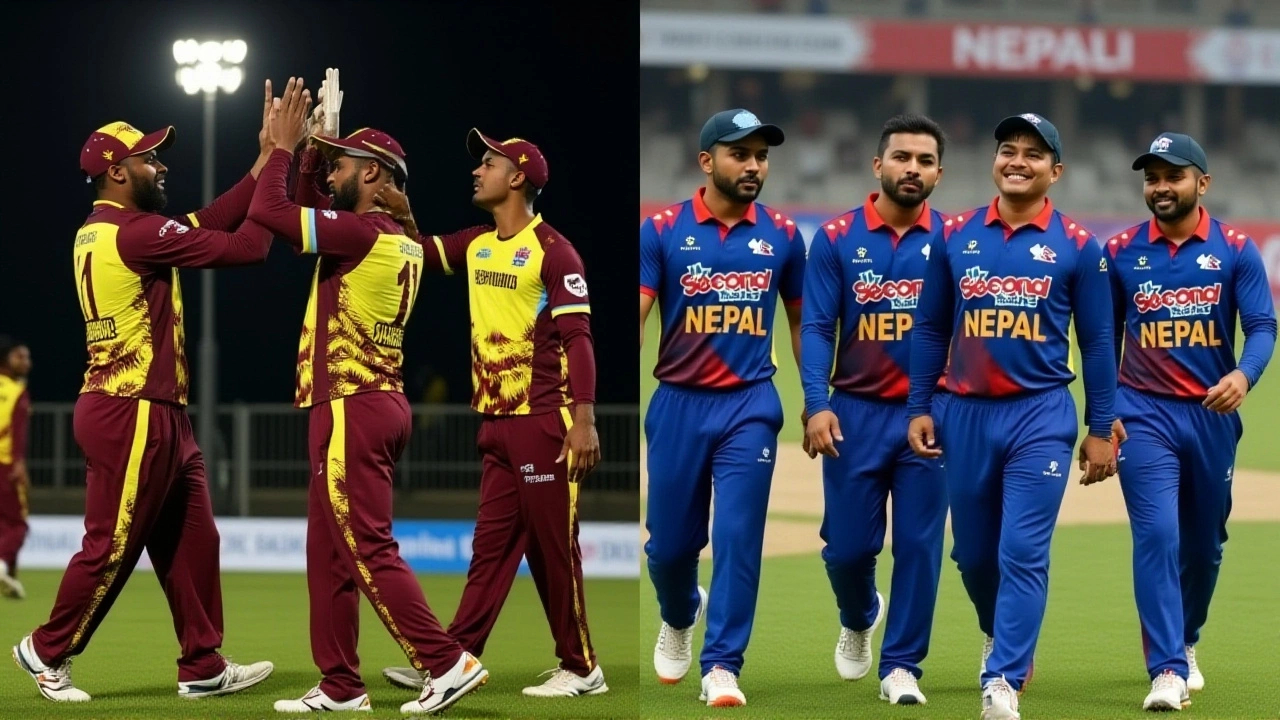
India’s next warm-up is scheduled for September 30 in Hyderabad, against South Africa. New Zealand will face England on October 1 in Delhi. But the real countdown begins after October 5 — when India’s group stage begins in earnest. If they lose their next two matches, as The Indian Express warned on October 23, 2025, they’ll enter the Navi Mumbai clash with New Zealand in a "must-win" situation. This warm-up win might have been narrow, but it gave them something they didn’t have before: belief.
Frequently Asked Questions
Why was the DLS method used in this match?
The DLS (Duckworth-Lewis-Stern) method was applied because rain interrupted play during India’s chase in the 38th over, reducing the match to 40.2 overs. The method recalculates the target based on overs lost and wickets in hand, ensuring fairness. India’s revised target was 237, which they reached with 10 balls to spare — a classic example of DLS working as intended under pressure.
How did Harmanpreet Kaur’s poor performance affect the team’s morale?
Though Harmanpreet Kaur scored 0 off 2 balls, her leadership remained steady. She didn’t panic after the early collapse, promoting Deepti Sharma and Amanjot Kaur to stabilize the innings. In fact, her calm demeanor in the dugout was noted by teammates and coaches. The team’s ability to recover without her scoring showed depth — a sign of growth from previous tournaments where the team relied too heavily on her.
What’s the significance of the D.Y. Patil Stadium in Navi Mumbai?
The D.Y. Patil Stadium will host three major matches in the ICC Women’s World Cup 2025: the October 23 group-stage clash between India and New Zealand, the October 30 second semi-final, and the November 2 final. Its 55,000-seat capacity and state-of-the-art lighting make it the tournament’s centerpiece. The BCCI chose it as the final venue to showcase India’s infrastructure and fan passion — a symbolic nod to the growth of women’s cricket in the country.
Why did New Zealand struggle despite having strong bowlers?
New Zealand’s bowlers were accurate but lacked penetration. Amelia Kerr’s economy rate was good, but she couldn’t break partnerships. Jess Kerr and Lea Tahuhu bowled well in patches but were predictable. The real issue? No one stepped up with a wicket-taking delivery in the middle overs. India’s batters, used to pressure in domestic leagues, adapted quickly — something New Zealand’s coaching staff admitted was a tactical oversight.
How does this warm-up impact India’s chances in the main tournament?
This win proved India can chase under pressure — a major weakness in past World Cups. It also gave middle-order batters like Amanjot Kaur and Pratika Rawal confidence. While they still need to improve against spin and pace on slow tracks, this match showed resilience. If they avoid early collapses in the group stage, they’re genuine contenders for the final — especially with home advantage.
What’s the role of the BCCI in organizing this tournament?
The BCCI is the primary organizer, handling venue logistics, player accommodations, broadcast rights, and security. With funding from the ICC, they upgraded seven stadiums across India, including installing advanced drainage systems at Bengaluru and Navi Mumbai to minimize weather disruptions. Their investment in the Centre of Excellence in Bengaluru allowed teams to train in identical conditions to match venues — a strategic advantage that gave India a subtle edge in preparation.