Medical Tourism

When exploring medical tourism, the practice of traveling abroad to receive medical treatment that is either unavailable, costly, or involves long wait times at home. Also known as health tourism, it blends healthcare quality, the standard of medical care delivered by hospitals and clinics with travel logistics, arrangements for flights, accommodation, and local transport and often promises cost savings, significant reductions in treatment expenses compared to domestic prices. In simple terms, medical tourism encompasses quality care, requires careful travel planning, and is driven by the lure of lower bills.

Why people choose medical tourism

First, cost savings act as a powerful pull factor. A dental implant that costs several thousand rupees in a metro city may be a fraction of that in Thailand or Malaysia, and the price gap often includes the same or higher clinical standards. Second, healthcare quality, accredited hospitals, board‑certified doctors, and modern equipment influences decisions—many patients travel not just for cheaper care but for procedures unavailable at home, such as complex cardiac surgeries or advanced fertility treatments. Third, smooth travel logistics, visa support, airport pickups, and post‑op stay arrangements turn a medical trip into a manageable experience. These three entities create a loop: cost savings encourage the search for high‑quality providers, which in turn demands reliable travel logistics, and together they shape the overall appeal of medical tourism.

Our portal brings together stories that touch on these very points. You’ll find real‑world examples of patients who cut expenses without compromising safety, guides on picking accredited clinics, and checklists for arranging travel and accommodation. Whether you’re curious about the best destination for orthopedic surgery, want to compare success rates of cosmetic procedures across borders, or need tips on navigating insurance claims for overseas care, the articles below cover the full spectrum. Dive in to see how medical tourism can fit into your health plan, and discover practical steps that turn a distant hospital into a trusted partner for your well‑being.
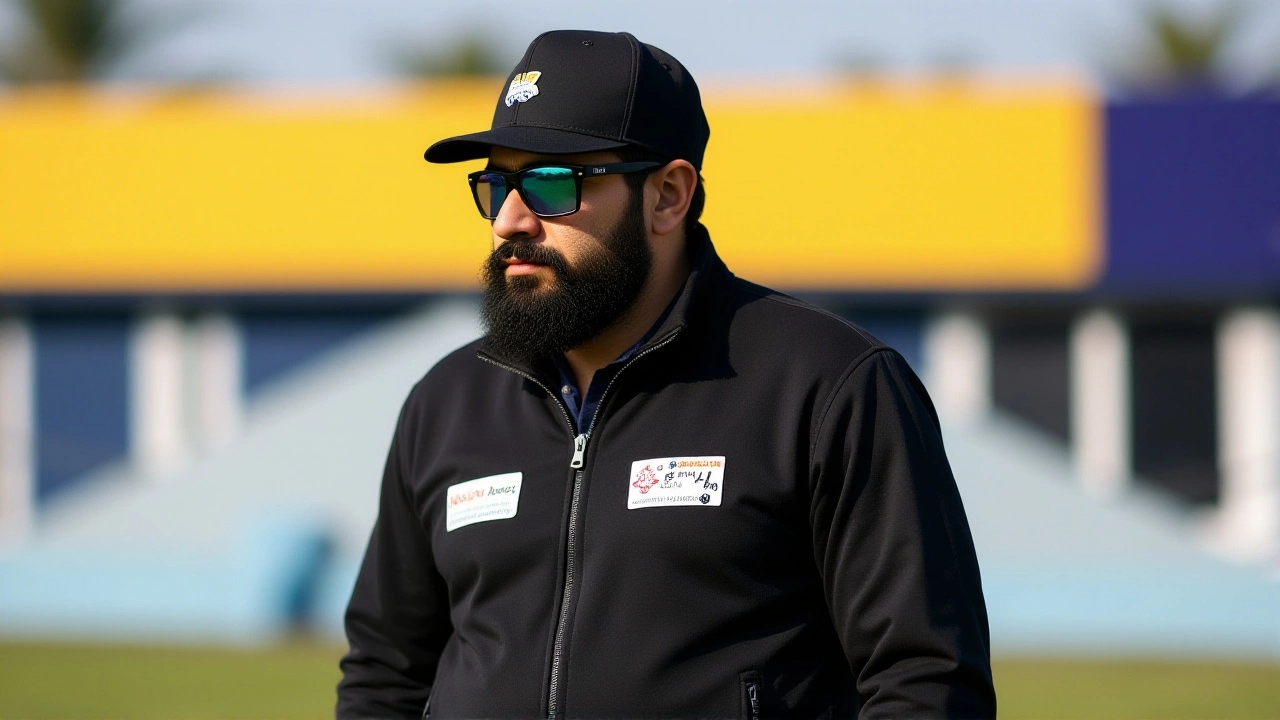
ICC Umpire Bismillah Jan Shinwari Dies at 41 After Surgery in Peshawar

ICC Umpire Bismillah Jan Shinwari Dies at 41 After Surgery in Peshawar

Aarav Chatterjee Oct. 19 0

ICC umpire Bismillah Jan Shinwari died after an abdominal‑fat removal surgery in Peshawar, sparking grief in Afghan cricket and raising concerns over medical tourism.

More Detail
Recent posts
Education is the most powerful weapon which you can use?

Education is the most invaluable asset one can possess. It is a powerful weapon that can be used to transform lives, open doors to opportunities, and create a brighter future. Education can help to break down barriers, challenge outdated beliefs, and foster a more equitable society. With education, individuals can gain the knowledge and skills needed to succeed in life and make a positive difference in their communities. Education is a lifelong process that can equip us with the tools to think critically, solve problems, and understand diverse perspectives. It is an essential resource for building a better world.

What is the average life of a 100cc bike in India?

Hey folks, so we're talking about the life of a 100cc bike in India, and boy, it's quite the journey! Now, on an average, these zippy little machines tend to last around 10-15 years, depending on how much love you shower on 'em. But hey, don't quote me on that, because some of these bikes, I swear, they've got nine lives like a cat! So, if you're a bit of a speed demon or a rough rider, expect a somewhat shorter lifespan. But if you treat your two-wheeler like a beloved family member, you might just see it chugging along for two decades!

What are the list of things you hate about India?

This article looks at the list of things Indians dislike about their own country. The list includes problems such as corruption, the caste system, low educational standards, poverty, lack of infrastructure, and poor healthcare. Furthermore, Indians are also frustrated with the lack of job opportunities, poor public transportation, poor hygiene, and environmental pollution. Additionally, many Indians are also not happy with the slow pace of modernisation, the lack of gender equality, and the lack of investment in science and technology. Overall, this article provides an overview of the issues that Indians are dissatisfied with in their country.

About Us

Sports