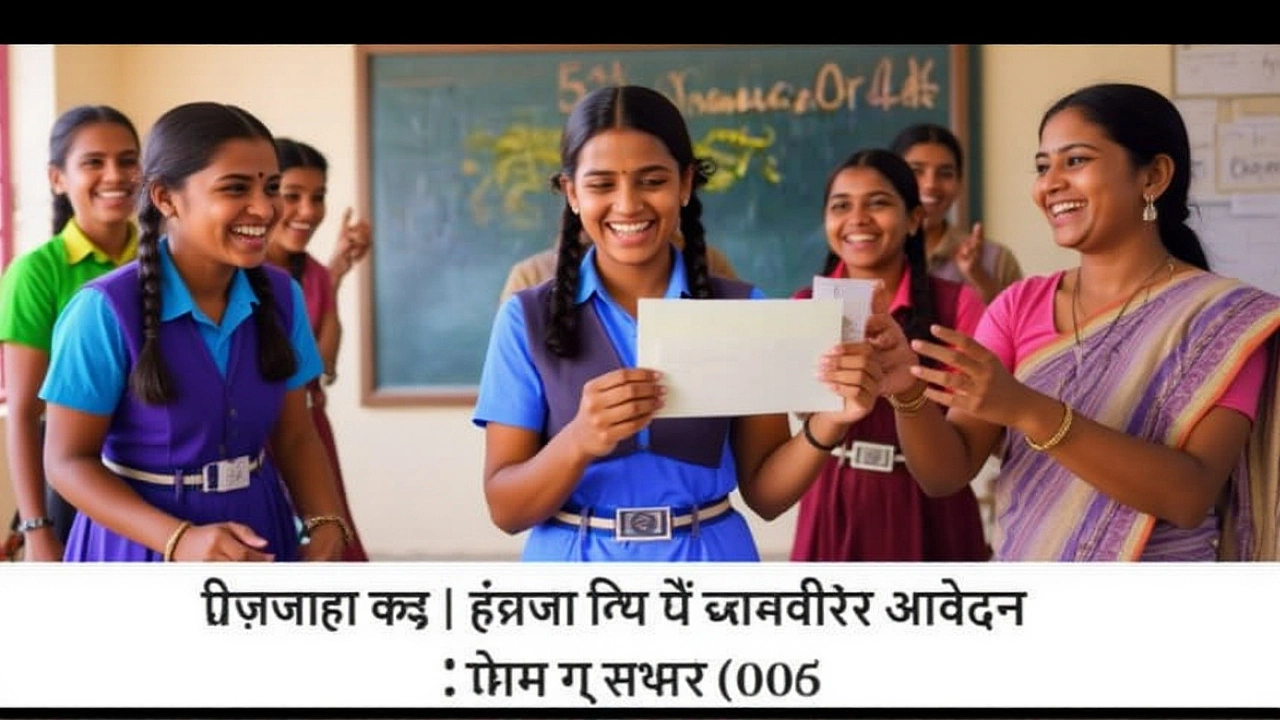
Girl Students in India: Real Issues and Simple Ways to Help
When you think about school life in India, you often picture bustling classrooms and colorful festivals. But for many girl students, daily learning comes with extra hurdles. From long walks to school to limited resources, these challenges shape how they study, play, and dream. Understanding the facts can help parents, teachers, and communities make a real difference.
Why Access Still Matters
Even though enrollment rates have risen, many girls still drop out before finishing high school. The reasons are simple: families may need help at home, safety worries crop up on the way to school, or the nearest school is too far away. A 2022 government report showed that in rural districts, the dropout rate for girls was 15% higher than for boys. That gap isn’t just a number—it means fewer women in the workforce and fewer role models for the next generation.
One practical fix is community transport programs. In Gujarat, a local NGO set up shared bicycles and safe walking groups, cutting travel time by half. Girls reported feeling more confident arriving at class on time, and attendance rose by 12% within a semester. Small steps like these can turn a long trek into a quick, safe ride.
Classroom Quality and Support
Inside the classroom, the picture isn’t always brighter. Girls often face bias in subjects like math and science, where teachers may unconsciously give boys more attention. A 2021 study from Delhi University found that girls received 20% fewer lab opportunities than boys in secondary schools. The result? Lower confidence and fewer girls choosing STEM careers.
Mentorship programs can bridge that gap. When senior female engineers visited schools in Hyderabad, they ran interactive workshops and answered questions. After just three sessions, 30% of participating girls said they were more likely to study engineering. Seeing someone who looks like them succeed makes the goal feel reachable.
Beyond academics, emotional support matters. Peer groups where girls discuss challenges—like balancing studies with family duties—create a safe space to share strategies. Schools that introduced weekly counseling reported a drop in anxiety scores among female students by 18%.
So, what can you do right now? Start by checking if your local school has a girl‑focused mentorship or safety program. If not, suggest one to the principal. Volunteer to organize a transport solution or a short after‑school tutoring session. Even a simple conversation with a girl student about her hopes can boost her confidence.
Remember, every improvement—big or small—adds up. When girl students stay in school, graduate, and enter the workforce, the whole community benefits. Higher incomes, better health outcomes, and stronger local economies are just a few of the ripple effects.
In short, supporting girl students isn’t a lofty goal; it’s a practical step toward a brighter future for India. By tackling access, classroom bias, and emotional well‑being, we can help more girls turn their potential into real achievements.