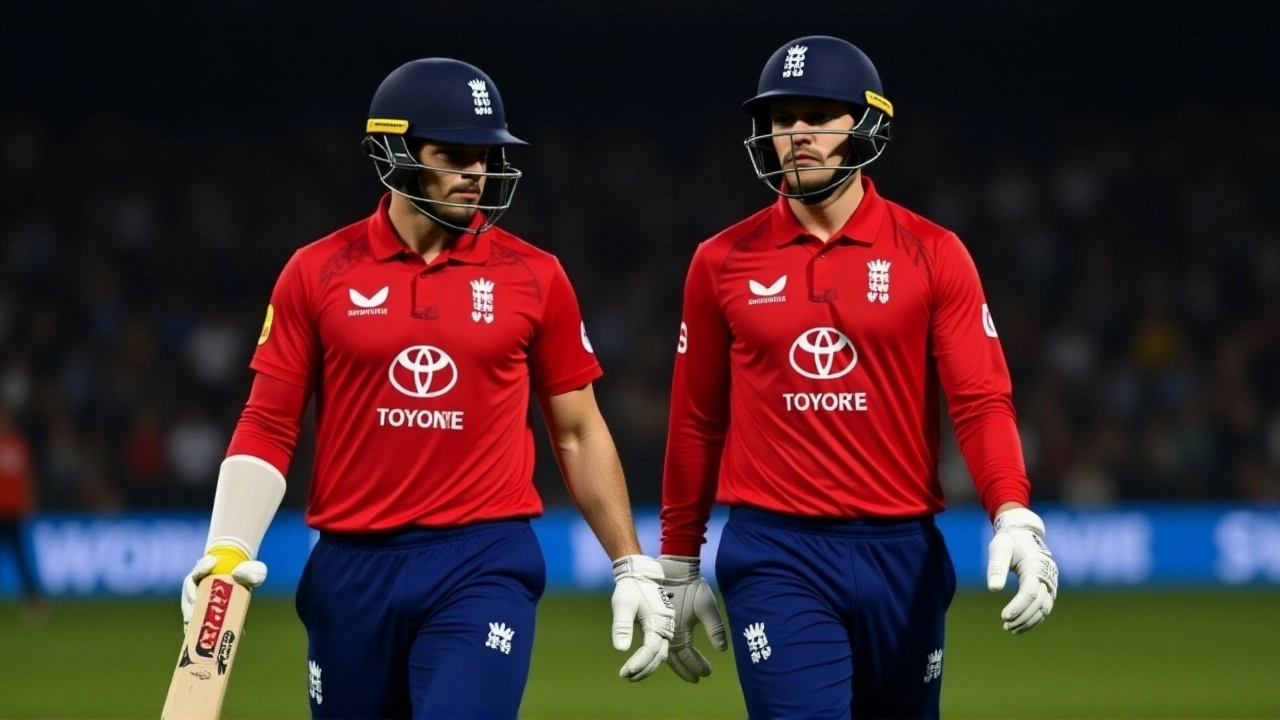
England Cricket
When you think of England cricket, the national cricket team representing England in international competitions, known for its rich history and passionate fanbase. Also known as the English Test team, it’s one of the founding members of the ICC and has shaped modern cricket with iconic players and dramatic comebacks. This isn’t just about batsmen hitting sixes or bowlers taking wickets—it’s about identity, pressure, and legacy. Every series, every tour, every match carries weight because England cricket doesn’t just play the game, it lives it.
Behind every England jersey are names you know—Joe Root’s quiet leadership, Ben Stokes’ fearless all-round fire, and emerging talents like Ollie Pope and Sam Curran pushing the boundaries. But it’s not just about individuals. The team’s performance ties into broader shifts: how Test cricket is adapting to T20 dominance, how player welfare is becoming as important as wins, and how the ECB balances tradition with innovation. You’ll see this tension play out in every match—from the slow-burn drama of a five-day Test at Lord’s to the high-octane chaos of a World Cup knockout.
And it’s not just about England. Their matches against India, Australia, or South Africa aren’t just games—they’re cultural events. When England tours India, it’s not just cricket, it’s a clash of styles, climates, and expectations. When they face Australia in the Ashes, it’s history breathing down their necks. Even when they lose, fans stay hooked because this team doesn’t just play for rankings—they play for pride.
What you’ll find here isn’t just match reports. It’s the human side—the injuries that change tours, the young players who break through, the umpiring controversies that spark debates, and the quiet moments after a defeat that say more than any press conference. You’ll read about how a single innings in Mumbai can redefine a career, or how a forgotten bowler in a county game ends up in the national squad. This collection doesn’t just cover England cricket—it shows you why it matters.