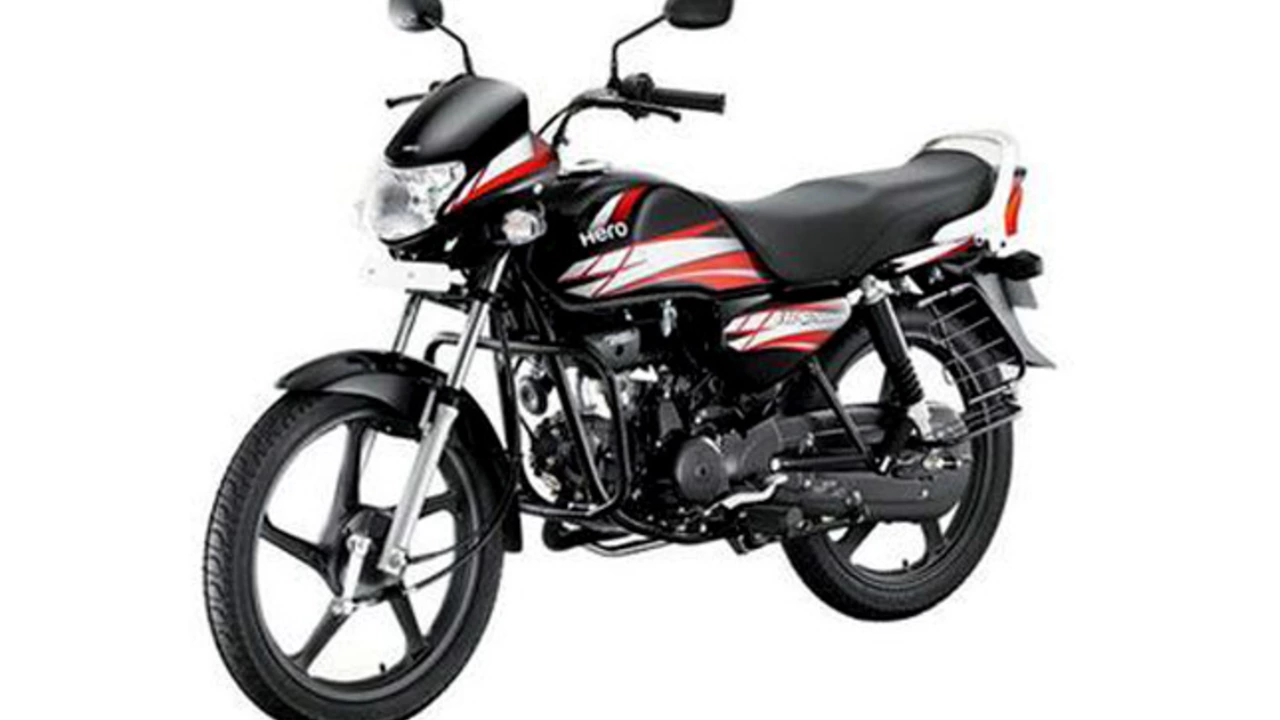
100cc bike: Practical Guide to Buying, Riding, and Saving
Think a 100cc bike is slow or boring? Many riders choose this class because it’s affordable, easy to maintain, and ideal for daily city rides. This guide helps you pick the right model, get the best mileage, and avoid common mistakes when buying new or used.
First, know what a 100cc bike really offers. These bikes focus on fuel efficiency and low running cost. They usually have simple engines, light frames, and comfortable seating for two. That makes them perfect for commuting, short trips, and learning riders.
Why choose a 100cc bike?
Fuel economy is the main attraction. A well tuned 100cc bike can deliver high mileage, which saves money every month. Maintenance is cheaper too — parts are common and mechanics know these models well. Insurance and taxes are often lower than for bigger bikes. If your daily run is mostly traffic and short stretches, a 100cc bike is practical and sensible.
Another plus is handling. Lighter weight makes these bikes easy to maneuver in city traffic and easier to park. For new riders, the manageable power reduces the risk of over-accelerating and losing control. Resale demand remains steady because many people look for an economical second bike.
How to pick the right 100cc bike
Start with a clear list of priorities: mileage, comfort, brand service, and resale value. Take a test ride to check clutch feel, braking, and how the bike pulls at low speeds. Sit on it to judge the seat comfort and foot position. Check build quality — tight fitting panels and solid switches matter over years.
Look at real-world mileage reports from owners rather than only manufacturer claims. Ask about service intervals and common repair items. A long warranty or wide service network is valuable if you plan to keep the bike for years. For used bikes, check service history, chain and sprocket wear, tyre condition, and any oil leaks. A short compression test can reveal engine health.
Think beyond the engine. Good suspension and brakes increase safety and comfort. Proper tyre size affects grip and handling. If you ride at night, evaluate the headlight strength. Accessories like carrier racks or grab rails add daily convenience.
Popular 100cc models include long-running names from major brands that focus on mileage and low cost. Dealers often run small discounts and bundled service plans—ask for a breakdown. If finance is needed, compare interest rates and down payment options. Small choices now affect running cost for years. Test multiple bikes before you decide firmly.
Finally, compare total running cost. Calculate expected fuel expense, service costs, and probable repairs. A slightly pricier model with better mileage or longer warranty can cost less over time. Negotiating the on-road price and checking for dealer offers can lower your initial expense.
With the right choice, a 100cc bike gives reliable and wallet-friendly mobility. Focus on real ownership costs, easy servicing, and riding comfort. That way you’ll get a bike that fits your daily life without surprises.