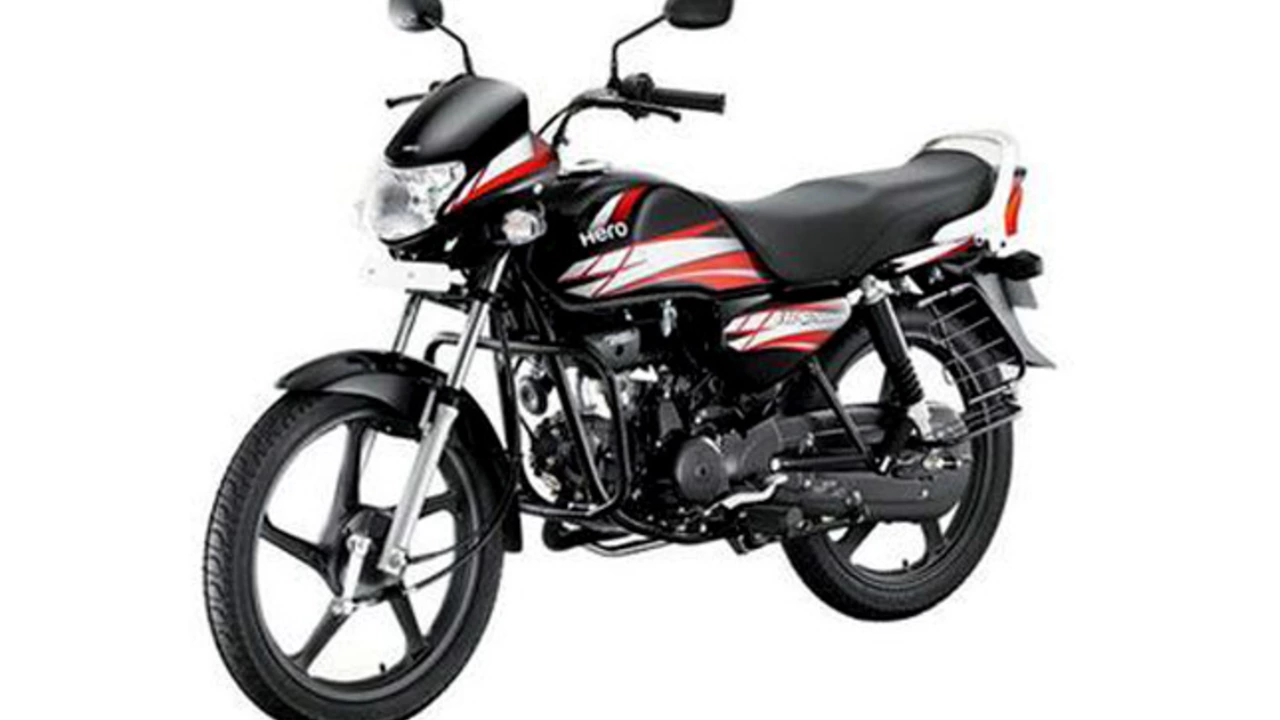
Automotive & Motorcycles — 100cc Bike Life, Maintenance & Tips
Wondering how long a 100cc bike will keep running on Indian roads? If you care for it, a commuter 100cc usually gives 10–15 years of reliable use. Push it hard and skip service, and that number falls quickly. I’ll walk you through the real factors that change lifespan and simple habits that add years to your bike.
How long does a 100cc bike last?
The honest answer: it depends. Maintenance level, riding style, build quality, fuel quality, and climate all matter. With regular oil changes, clean air filters, and sensible riding you can expect 10–15 years or roughly 70,000–1,00,000 km before major engine work. Tough use—constant high revs, heavy loads, or stop-and-go traffic—can bring serious repairs sooner, sometimes under 8 years.
Another big factor is parts and service availability. Bikes with easy-to-find spares and wide service networks stay on the road longer in small towns and cities. Also watch for rust and electrical issues in humid or coastal areas—those eat years off a bike if unchecked.
Practical tips to extend your bike's life
Change engine oil every 3,000–4,000 km or follow the manual. Fresh oil protects moving parts and keeps temperatures stable. Clean or replace the air filter around every 5,000 km; a dirty filter makes the engine run lean and hotter. Lube and adjust the chain every 500–1,000 km to prevent sprocket wear and jerky riding.
Check spark plugs at about 10,000–12,000 km and replace if the tip looks fouled or damaged. Check valve clearance roughly every 12,000–15,000 km—loose valves make the engine noisy and reduce efficiency; tight valves can damage the head. Inspect brakes and tyres regularly; worn tyres increase stress on the frame and suspension, and bad brakes raise accident risk.
Battery care is simple but matters: keep terminals clean, charge regularly if the bike sits idle, and replace weak batteries promptly. Avoid overloading the bike—extra weight strains engine, suspension, and tyres. Use petrol from reliable pumps and stick to the fuel grade recommended by the maker.
For used bikes, check service records, look for oil leaks, inspect chain and sprockets, and test ride for strange noises. Ask the seller about any engine rebuilds and get a compression check if you can. Prefer models with a wide service network and easily available spares—that makes repairs cheaper and keeps the bike longer on the road.
Small, consistent habits add up: on-time servicing, clean filters, timely oil and spark plug changes, and smoother riding will keep a 100cc bike dependable for many years. Treat the bike like a daily tool, not a disposable gadget, and it will return the favor on India’s unpredictable roads.