Understanding — practical explainers and clear insights

Want a quick, clear answer without the noise? This tag gathers short, useful explainers that help you understand news, culture, and everyday questions from across India. Expect plain language, real examples, and takeaways you can use right away.

What you'll find here

We cover a wide mix. One day you’ll read about Suniel Shetty’s family-first birthday moment and how celebrities share personal milestones. The next, you’ll get a simple breakdown of how long a 100cc bike usually lasts in India and what maintenance actually extends its life. You’ll also find pieces that explain big names and places — like why Lusail Iconic Stadium mattered during the Qatar World Cup — in a quick, easy way.

Education shows up a lot. Some posts ask why “quality” in education isn’t the same for everyone, and others debate whether schools give degrees more than real skills. There are also practical looks at special education programs and what good support should include.

We don’t skip everyday debates either. You’ll see honest takes on what foreigners think of Indian food, lists of common frustrations about life in India, and what college life actually feels like for students. Short, real, and sometimes surprising.

How to use these explainers

If you’re trying to form an opinion fast, scan the opening paragraph for the main point and the next two paragraphs for context. Want more depth? Follow the related posts listed on each article for different angles — like policy, culture, or practical tips.

Look for concrete tips. For example, the bike lifespan piece highlights simple maintenance habits that make a real difference. Education explainers point to specific gaps — teacher training, resources, or curriculum — instead of vague criticism. That way you can see what’s fixable and what takes longer.

These posts are written for people who want clarity, not jargon. Expect short sentences, everyday examples, and clear takeaways you can remember. No fluff, no long theory sections, just things you can act on or think about right away.

If a topic matters to you, use the comments or search within the site for related explainers. Want context on a national story? Search for background pieces that break down history, key players, and immediate impacts. Curious about a cultural hot topic? Look for personal-feel posts that explain how people experience it on the ground.

Understanding doesn’t mean agreeing. Many posts present facts, personal viewpoints, and practical advice so you can form your own view. Read a range of explainers to get a fuller picture.

Bottom line: this tag is for readers who want clear, usable explanations. Start with a headline that grabs you, read the first two paragraphs, and you’ll usually walk away with a solid grasp of the issue.
What is the concept of the history of education?

What is the concept of the history of education?

Aarav Chatterjee Jul. 26 0

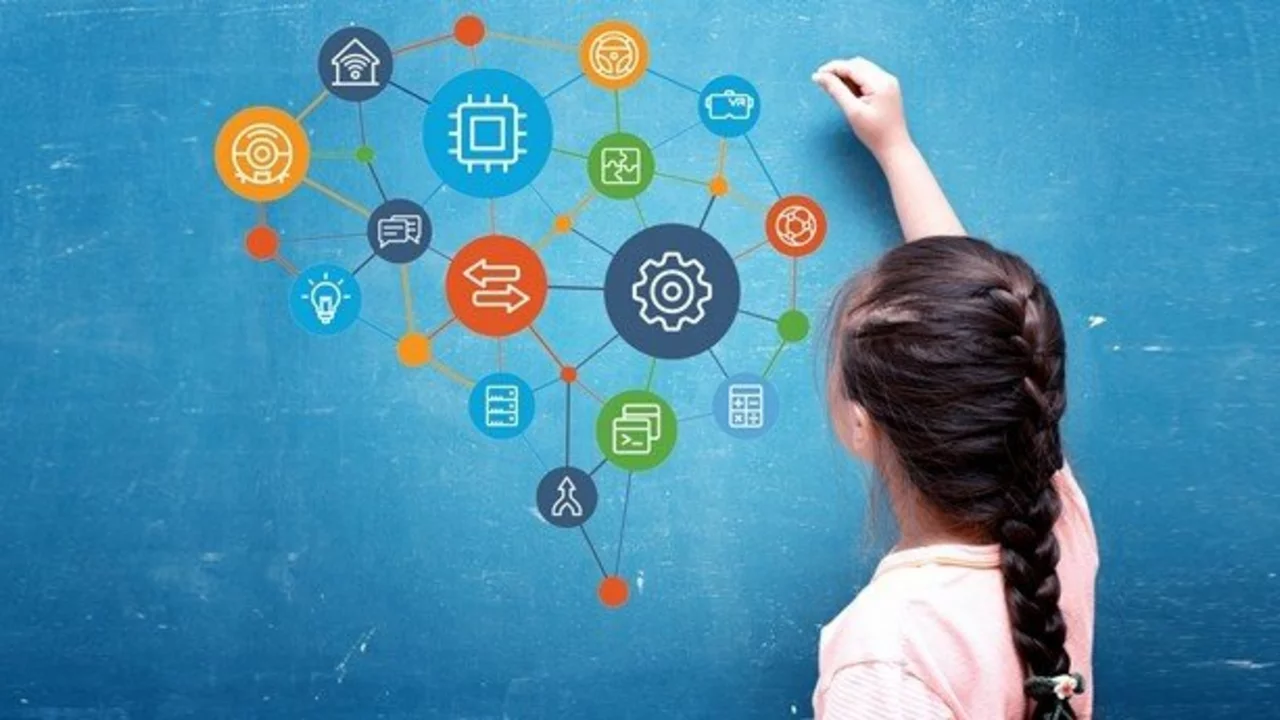
The concept of the history of education is essentially a deep dive into how education systems, theories, and practices have evolved over time. It's fascinating to see how different societies have valued and approached education, from ancient times to the present day. The journey has been marked by significant shifts, like the introduction of compulsory education and the growing emphasis on lifelong learning. Understanding this history is crucial as it forms the basis of our current educational systems and perspectives. It's like peering into the past to better navigate our educational future.

More Detail
Recent posts
What is college life like in India?

College life in India is an important part of the Indian education system. It is a time for students to explore their academic interests, broaden their social circles, and make lifelong friends. The college experience in India is unique and exciting, with students engaging in a variety of activities, from sports, to cultural events, to extracurricular activities. Students in India also have access to a wide range of academic support services, such as libraries, laboratories, and digital resources. The college experience in India is an important part of a student's overall educational journey, helping them to develop skills that will benefit them in the future.

Education is the most powerful weapon which you can use?

Education is the most invaluable asset one can possess. It is a powerful weapon that can be used to transform lives, open doors to opportunities, and create a brighter future. Education can help to break down barriers, challenge outdated beliefs, and foster a more equitable society. With education, individuals can gain the knowledge and skills needed to succeed in life and make a positive difference in their communities. Education is a lifelong process that can equip us with the tools to think critically, solve problems, and understand diverse perspectives. It is an essential resource for building a better world.

What are the list of things you hate about India?

This article looks at the list of things Indians dislike about their own country. The list includes problems such as corruption, the caste system, low educational standards, poverty, lack of infrastructure, and poor healthcare. Furthermore, Indians are also frustrated with the lack of job opportunities, poor public transportation, poor hygiene, and environmental pollution. Additionally, many Indians are also not happy with the slow pace of modernisation, the lack of gender equality, and the lack of investment in science and technology. Overall, this article provides an overview of the issues that Indians are dissatisfied with in their country.

About Us

Education & Learning