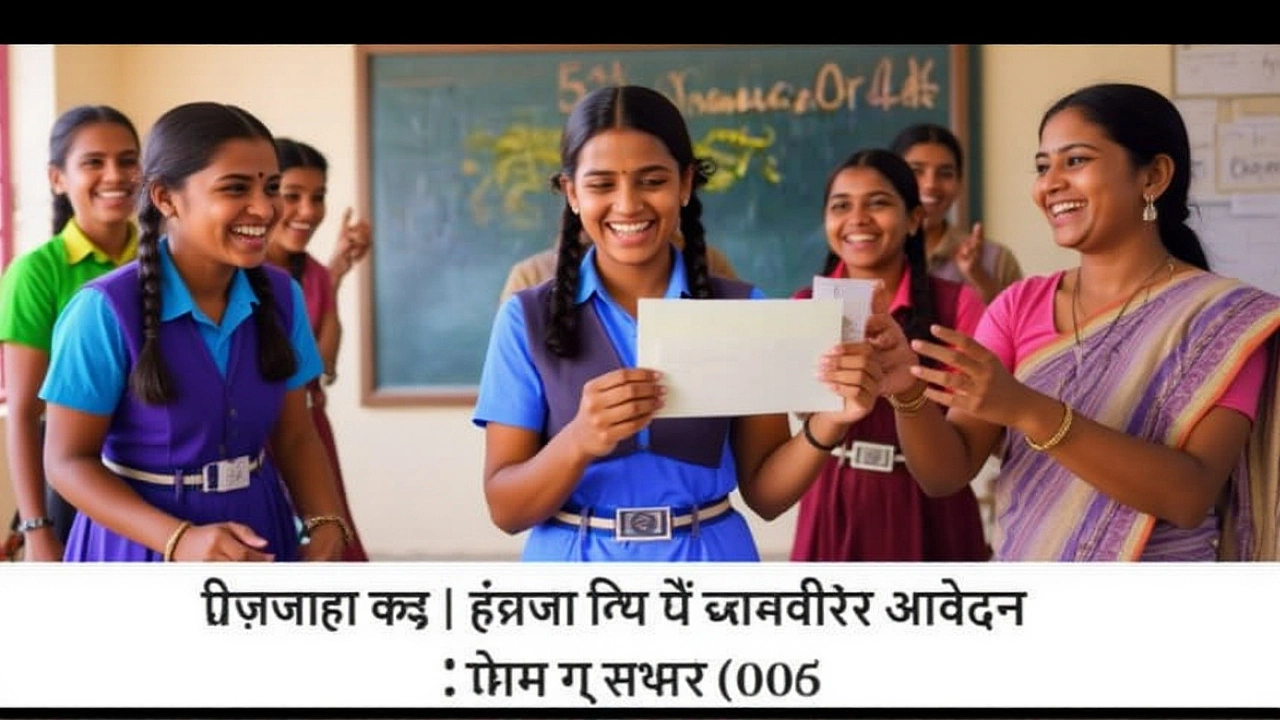
Government Schools in India – What You Need to Know
When you hear “government school,” you’re hearing the story of millions of kids who rely on public funding for their education. These schools are everywhere – from crowded city streets to remote villages – and they shape the future of our nation. If you’re a parent, a teacher, or just curious about how the system works, this guide gives you the basics, the pain points, and the latest steps being taken to improve things.
Why Government Schools Matter
First off, government schools are the biggest education providers in India. They enroll more than 90% of all students, which means they have a massive impact on literacy, skill development, and social mobility. Because they’re funded by the state, the goal is to keep fees low or free, so every child, regardless of family income, can attend. This creates a level playing field for kids from different backgrounds and helps bridge the gap between urban and rural areas.
Beyond numbers, these schools serve as community hubs. Many villages don’t have other public spaces, so the school building doubles as a place for health camps, voting, and adult learning classes. When a government school does well, the whole neighborhood feels the ripple effect – better jobs, healthier families, and stronger civic participation.
Key Issues and Recent Improvements
Despite their importance, government schools face a handful of recurring problems. The most common complaints are outdated infrastructure, teacher shortages, and uneven quality of instruction. A 2023 survey by the Ministry of Education showed that over 40% of schools still lack proper toilets, and many classrooms are overcrowded. Teacher absenteeism remains a concern, especially in remote locations where travel is tough.
On the bright side, several reforms are underway. The National Education Policy 2020 (NEP) pushes for a “holistic” curriculum, more digital tools, and better teacher training. Schemes like “Saakshar Bharat” aim to upgrade school buildings with clean drinking water and modern labs. Some states have introduced performance‑based incentives, rewarding teachers who improve student outcomes.
Technology is also making a dent. Low‑cost tablets, online content, and community Wi‑Fi projects let students in distant schools access the same learning material as kids in metro cities. Parents report that digital lessons keep kids more engaged and help teachers give personalized feedback.
If you’re a parent looking at government schools for your child, here are a few practical steps:
- Visit the school during a regular day to see class sizes and facility conditions.
- Talk to other parents about teacher attendance and how quickly the school addresses issues.
- Check if the school participates in government schemes like mid‑day meals or free textbooks – these can improve attendance and learning.
- Ask about extra‑co‑curricular activities. Sports, arts, and clubs often boost confidence and keep kids motivated.
For teachers or administrators, focusing on transparent communication can build trust. Simple steps like posting daily timetables, sharing student progress reports, and holding regular parent meetings go a long way.
Overall, government schools are at a crossroads. The challenges are real, but the momentum for change is faster than many think. With better funding, smarter policies, and community involvement, these schools can become true engines of growth for every child in India.