Final Stadium: What to Know Before You Go

Heading to a stadium final? Good. Finals are loud, packed, and unforgettable — but they can also be stressful if you’re unprepared. This page gives clear, useful steps so you get in, enjoy the game, and get home without drama.

Getting there, tickets and entry

First thing: check the official stadium or event page for ticket status and entry rules. Digital tickets are common now; screenshot yours and add the QR to your phone’s wallet. Know the ID rules — some finals require a matching ID and name on the ticket. If you buy resale tickets, only use verified platforms to avoid fakes.

Plan transport early. Public transit often runs extra services on match day, but it fills up fast. Look for park-and-ride options or pre-book a drop-off spot. If you drive, confirm parking availability and costs. Many stadiums close roads around the venue, so map your route and a few backup exits.

Security checks are stricter during finals. Expect bag searches, metal detectors, and limited bag sizes. Check the stadium’s prohibited items list before you pack. Leave behind anything likely to be confiscated — it’ll save time and hassle at the gate.

Match-day tips inside the stadium

Arrive early. Gates open well before kick-off or start time, and arriving 60–90 minutes early lets you find your seat, buy food, and catch pre-game events. If you’re meeting friends, pick a clear meeting spot outside the stadium — entrances and landmark statues work well.

Food and drink lines get long during halftime. If you want a quick snack, head to the stands early or bring cash and use smaller stalls. Check payment options: some vendors take cards, others are cash-only. If you need special access or seating, contact the stadium ahead of time to avoid surprises.

Stay aware of exit flows. After the final whistle, everyone leaves at once. If you need to beat the crowd, wait 10–15 minutes after the final whistle to let the first wave pass, or hang back near the concourse to exit more smoothly. Follow staff instructions for safe exits — they’ll guide you to less crowded routes.

Keep essentials handy: charged phone, portable charger, ticket screenshot, small amount of cash, and a light rain jacket if the weather is unsure. For kids, mark their name and your contact on a wristband or slip of paper.

Want live updates? Follow the teams’ and stadium’s official social accounts or download the event app for gate updates, last-minute changes, and emergency alerts. If something goes wrong, staff at help desks are trained for quick assistance.

Finals are a rush — with a little prep you’ll enjoy the atmosphere and avoid common headaches. Check official channels before you leave, leave extra travel time, and keep your essentials ready. Now go enjoy the match.
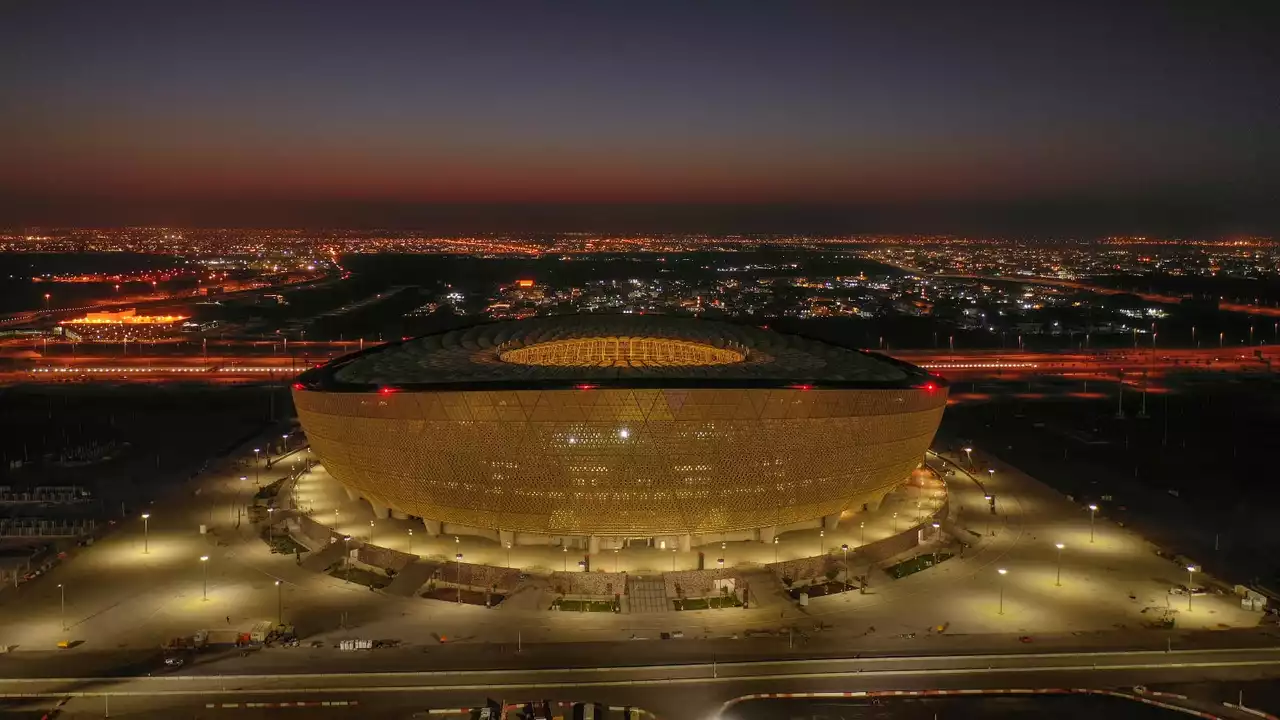
What is the Qatar FIFA World Cup final stadium name?

What is the Qatar FIFA World Cup final stadium name?

Aarav Chatterjee Jul. 19 0

The final stadium for the FIFA World Cup, set to be hosted by Qatar, has a name that's as grand as the event itself - Lusail Iconic Stadium. Nestled in the city of Lusail, it's a brand new construction specifically for the World Cup. This architectural marvel is designed to seat 86,250 spectators, promising to be a breathtaking venue. It's not just a stadium, it's a symbol of aspiration and the future of sports in Qatar. I'm beyond excited to see the world's best soccer teams compete in this awe-inspiring venue!

More Detail
Recent posts
Education is the most powerful weapon which you can use?

Education is the most invaluable asset one can possess. It is a powerful weapon that can be used to transform lives, open doors to opportunities, and create a brighter future. Education can help to break down barriers, challenge outdated beliefs, and foster a more equitable society. With education, individuals can gain the knowledge and skills needed to succeed in life and make a positive difference in their communities. Education is a lifelong process that can equip us with the tools to think critically, solve problems, and understand diverse perspectives. It is an essential resource for building a better world.

What is the concept of the history of education?

The concept of the history of education is essentially a deep dive into how education systems, theories, and practices have evolved over time. It's fascinating to see how different societies have valued and approached education, from ancient times to the present day. The journey has been marked by significant shifts, like the introduction of compulsory education and the growing emphasis on lifelong learning. Understanding this history is crucial as it forms the basis of our current educational systems and perspectives. It's like peering into the past to better navigate our educational future.

What are the list of things you hate about India?

This article looks at the list of things Indians dislike about their own country. The list includes problems such as corruption, the caste system, low educational standards, poverty, lack of infrastructure, and poor healthcare. Furthermore, Indians are also frustrated with the lack of job opportunities, poor public transportation, poor hygiene, and environmental pollution. Additionally, many Indians are also not happy with the slow pace of modernisation, the lack of gender equality, and the lack of investment in science and technology. Overall, this article provides an overview of the issues that Indians are dissatisfied with in their country.

About Us

Sports News