Bike lifespan: how long your bike will last and how to make it last longer
Wondering how long a bike will keep rolling? The short answer: it depends. Your bike's lifespan changes a lot based on type (bicycle or motorcycle), build materials, how you ride, and how you care for it. Below I break down realistic lifespans and simple steps you can take to keep your bike safe and useful for years.
Typical lifespans: bicycles vs motorcycles
Bicycles: A well-made steel or titanium frame can last decades if you avoid crashes and keep it from rusting. Aluminum frames usually last 10–15 years for everyday riders; carbon frames can last a long time too but are more sensitive to impact and hidden damage. Wear parts wear faster: chains often need replacement after 1,000–5,000 km (depending on conditions), tires after 2,000–6,000 km, and brake pads every 6–12 months for regular commuters.
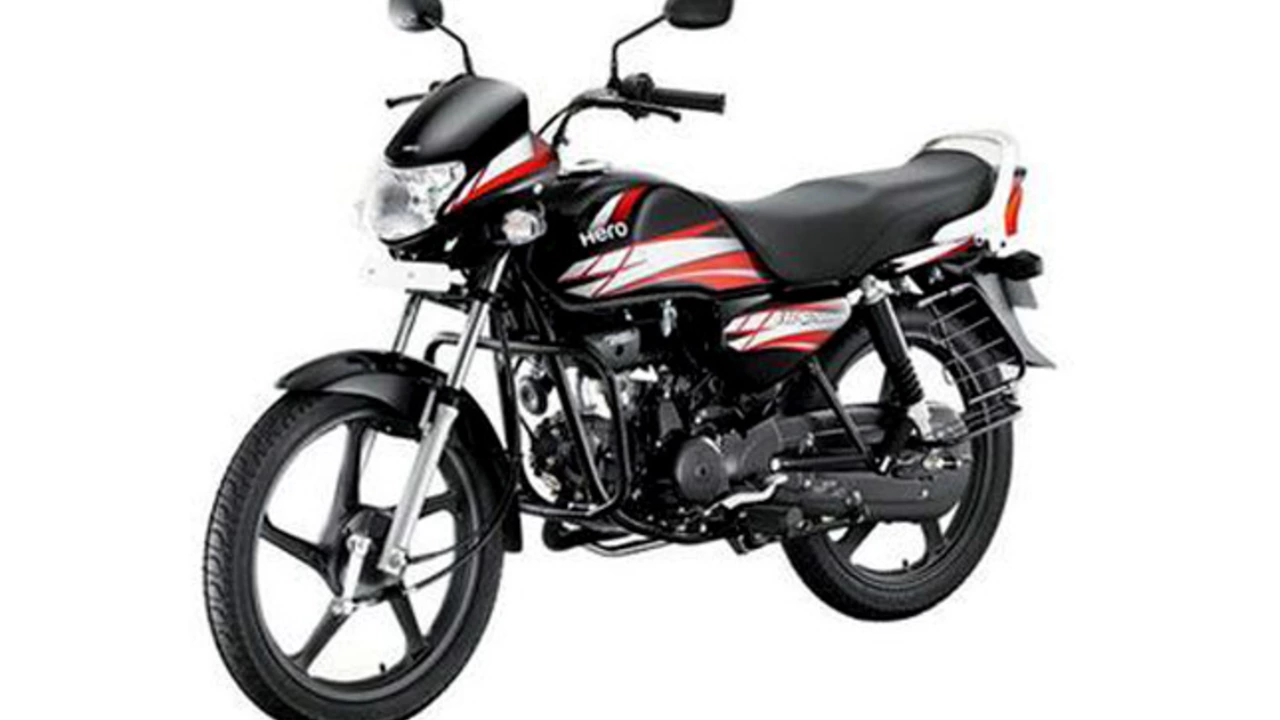
Motorcycles: Engine and drivetrain life depends on design and maintenance. Small commuter bikes with regular oil changes and care commonly reach 60,000–100,000 km. Well-maintained higher-end bikes can go 150,000–200,000 km or more. Consumables like tires, chains, batteries, and brake pads need replacement much sooner: expect tires in 10,000–25,000 km (riding style matters), chains around 20,000–40,000 km, and batteries every 3–5 years.
Practical maintenance checklist to extend lifespan
Do these basic things and you’ll squeeze out more life from any bike:
- Regular cleaning: wash off dirt and salt after wet rides to stop corrosion. A quick rinse and dry beats weeks of grime.
- Lubricate moving parts: chain, derailleur pivots, and cables on bicycles; chain and exposed linkages on motorcycles. Proper lube reduces wear and improves efficiency.
- Scheduled servicing: follow the manufacturer’s service intervals. For motorcycles, oil changes, valve checks, and brake inspections prevent big failures. For bikes, tuneups, cable checks, and wheel truing keep things safe.
- Watch wear parts: replace chain, cassette, tires, brake pads, and cables before they damage other components. Replacing a worn chain is cheaper than replacing a worn cassette and chain together.
- Store smart: keep your bike indoors or under cover. Avoid long-term sun and rain exposure. For motorbikes, use a trickle charger if not ridden often.
- Ride gently: hard launches, lots of slides, and heavy loads speed up wear. Smooth riding and proper shifting go a long way.
Signs it’s time to replace or rebuild: frame cracks, severe rust, persistent handling problems, repeated costly repairs, or engine failures on motorcycles. If repair costs approach replacement value, it’s time to decide.
Bottom line: many bikes last far longer than people expect if you keep up basic care. Spend a little time on maintenance and you’ll save money and avoid surprises down the road.