Educational Resources: Tools, Tips, and Where to Start

Looking for resources that actually help you learn—not just look busy? This category gathers clear, useful options: free courses, quick study techniques, apps that stick, and real examples you can use today. Pick one small change from here and try it tomorrow.

How to pick the right learning tool

Start by naming a single goal. Want to pass an exam, switch careers, or learn a new hobby? When your goal is specific, you can choose the resource that matches it. For exams, prioritize past papers and mock tests. For skills, look for project-based courses that give hands-on practice.

Check three things before committing: the syllabus, reviews from learners, and a sample lesson or preview. If you can’t see a sample, don’t buy. Free trials and previews save time and money. Also, match the format to your habits: audio lessons for commuters, short videos if you have 20–30 minutes blocks, and long textbooks when you can sit and focus.

Quick study habits that work

Active recall beats rereading. After a study block, close the book and explain the topic out loud to yourself. If you can’t, review that section again. Use spaced repetition to move facts from short-term to long-term memory—spaced cards or apps make this automatic.

Break practice into short sessions. Three focused 25-minute sessions with 5–10 minute breaks beat one three-hour slump. Remove distractions: put your phone in another room or use a simple timer. Track one metric: pages read, problems solved, or minutes practiced. Small, consistent gains compound fast.

Practice with purpose. Don’t practice what you already know. Identify weak spots and create mini-tests for them. For example, if you struggle with geometry proofs, write three different proof problems and time yourself solving them weekly.

Use multiple formats to strengthen understanding. Read a short article, watch a 10-minute explainer, then write a one-paragraph summary. That mix helps you see the topic from different angles and keeps learning active.

Featured article: "Education is the most powerful weapon which you can use?" argues that education transforms lives and communities. That piece highlights why skills matter more than credentials alone and offers practical ways to keep learning throughout life.

Where to find good resources in India: check state and central government portals for free course options, local libraries for low-cost textbooks, and community centers for skill workshops. Many universities and NGOs run evening or weekend programs that fit working schedules.

Want a quick plan? Pick one goal, choose a course or book that targets that goal, set three weekly study blocks, and measure progress with short quizzes. Adjust after two weeks—drop what’s not helping and double down on what works.

Keep it simple. Small, deliberate steps win. If you want, browse the posts in this category for specific guides, checklists, and resource picks that match your goal.
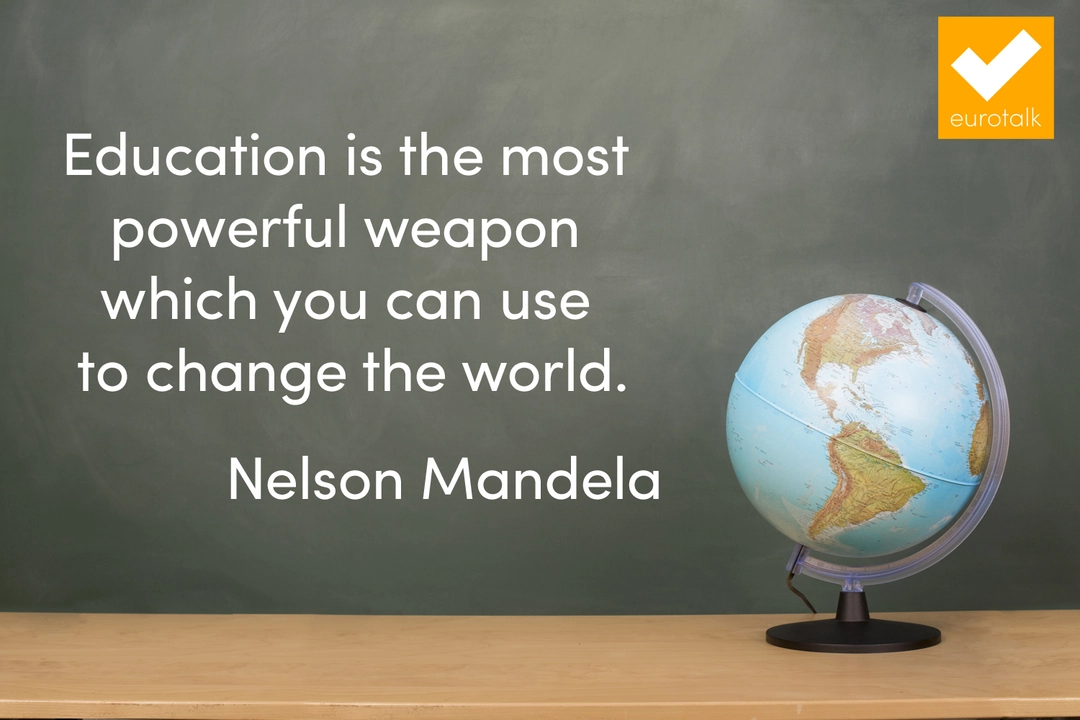
Education is the most powerful weapon which you can use?

Education is the most powerful weapon which you can use?

Aarav Chatterjee Mar. 29 0

Education is the most invaluable asset one can possess. It is a powerful weapon that can be used to transform lives, open doors to opportunities, and create a brighter future. Education can help to break down barriers, challenge outdated beliefs, and foster a more equitable society. With education, individuals can gain the knowledge and skills needed to succeed in life and make a positive difference in their communities. Education is a lifelong process that can equip us with the tools to think critically, solve problems, and understand diverse perspectives. It is an essential resource for building a better world.

More Detail
Recent posts
Education is the most powerful weapon which you can use?

Education is the most invaluable asset one can possess. It is a powerful weapon that can be used to transform lives, open doors to opportunities, and create a brighter future. Education can help to break down barriers, challenge outdated beliefs, and foster a more equitable society. With education, individuals can gain the knowledge and skills needed to succeed in life and make a positive difference in their communities. Education is a lifelong process that can equip us with the tools to think critically, solve problems, and understand diverse perspectives. It is an essential resource for building a better world.

What's the opinion on indian food by foreigners?

Indian food has always been a topic of interest among foreigners, with many appreciating its unique blend of flavors, spices and rich culinary history. In my experience, most foreigners enjoy the diverse range of dishes India has to offer, often praising the use of aromatic spices like cardamom, cinnamon, and turmeric. However, some may find the food too spicy or oily, leading to mixed opinions. Overall, Indian food seems to have a generally positive reputation among foreigners, despite the occasional challenges in adjusting to its unique taste palette. It's wonderful to see people from different cultures come together and embrace the flavors of India, showcasing the power of food in transcending borders.

Why is 'quality' in education not the same for everybody?

From my perspective, 'quality' in education isn't the same for everyone due to various factors. We all come from different backgrounds, cultures, and environments that shape our learning experiences. The availability of resources, teachers' competencies, and curriculum standards vary from one place to another, which can impact the quality of education. Personal learning styles and the support system at home also play a significant role. Therefore, it's critical to acknowledge these disparities and strive for a more inclusive and equitable education system.

About Us

Educational Resources