Why 'quality' in education looks different for every student
Quality sounds like one thing you can measure, but in real life it changes with where you live, what your school offers, and the support you get at home. Ever seen two schools in the same city where one has well-trained teachers and labs while the other struggles with basic supplies? That's the problem: quality is not just a score, it's a mix of resources, people, and context.
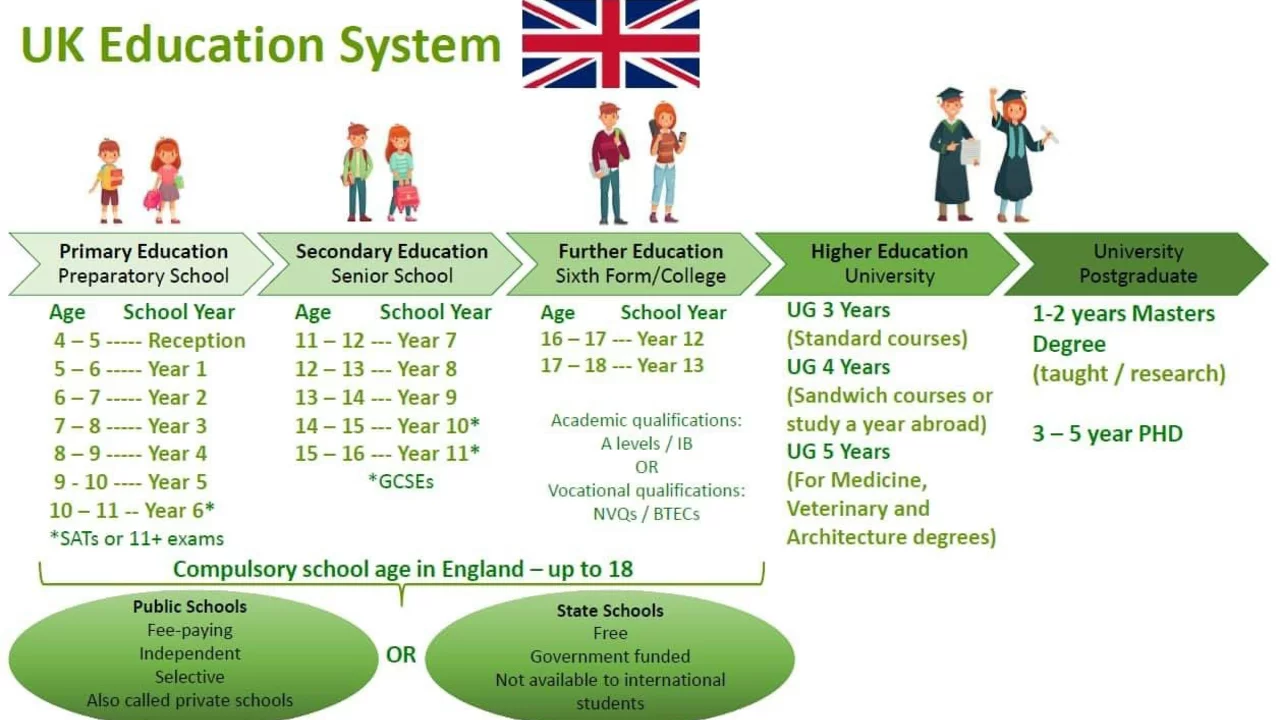
Think of a classroom in a small village and one in a private urban school. The village class may have a committed teacher but no library, irregular electricity, and students who walk miles to attend. The urban school might have computer labs, extra-curriculars, and parents who can pay for tuition. Which class is delivering better "quality" depends on what you value—test scores, life skills, or chances to pursue higher education.
What actually causes this gap?
Funding is the obvious part, but it’s not the only one. Teacher training differs widely: some teachers get regular mentoring and subject updates, others do not. Curricula are often written for ideal classrooms and don’t fit local languages or realities. Parental support matters a lot—kids whose families can read with them or afford tutoring get a head start. Then there are measurement problems: a single exam doesn’t capture creativity, curiosity, or resilience.
Language and culture also shape how students learn. If teaching materials are not in a child's first language, understanding drops. Schools in remote areas face high teacher turnover; that kills continuity. Even technology helps unevenly: a tablet is useful only when there's electricity, internet, and a teacher who knows how to use it for learning rather than just playback.
What actually helps improve fairness?
Targeted funding beats equal funding. Give more to schools that need infrastructure, not just the same amount per child. Invest in teacher mentoring programs that pair experienced teachers with new ones for a year. Localize the curriculum so teachers can connect lessons to students’ lives—agriculture examples where farming is common, or simple business math where families run shops.
Parental and community involvement moves things fast. When parents help run reading clubs or monitor attendance, schools become accountable. Practical tech solutions work when paired with training—short, focused teacher workshops produce bigger gains than expensive hardware alone. Finally, measure quality with multiple tools: classroom observations, student portfolios, and community feedback alongside tests.
Want to read a real take on this? Our featured opinion, "Why is 'quality' in education not the same for everybody?", breaks down how backgrounds, resources, and support change what quality means for each child. If you care about fair education, start by asking which part of the system is failing a student near you—and what one local change could help right now.